
Filter
Breed
Price Range
Gender
Size
Age
Filter
Breed
Price Range
Gender
Size
Age
Filters
Puppy Breeds
Price Range
Gender
Size
Age
218 puppies for sale
Welcome to our comprehensive guide on the American Eskimo Dog, often affectionately called the "Eskie." If you're considering bringing one of these beautiful, intelligent, and lively dogs into your family, you've come to the right place. This article, specifically tailored for the Indian audience, will cover everything you need to know about the American Eskimo Dog, from their history and temperament to their care, pricing, and a detailed comparison with other popular breeds.

Filters
More Puppies For You
Our Happy Clients




I had an amazing experience with Good Furs! The team was super helpful and guided me through the entire process. My puppy arrived healthy, happy, and full of energy. Highly recommend Good Furs!
-Riya Sharma
Mumbai

Thankyou for Ollie :) he’s a really cute and active puppy. Great service and after service support from the team.
-Ria
Delhi-NCR

We brought home our Toy Poodle from GoodFurs and it's been pure joy! Our Coffee is playful, loving, and settled in beautifully. Highly recommend GoodFurs to every pet lover! 🐾❤️
-Khushi Motwani
Pune

Bringing home our Shih Tzu from GoodFurs was the best decision we ever made! The entire experience was smooth and stress-free — the team genuinely cares, 10/10 would recommend GoodFurs to every dog lover out there!
-Vidhu
Noida


Understanding the American Eskimo Dog: History and Origin Drag
Despite their name, American Eskimo Dogs do not have any lineage in the Arctic regions with the Eskimo people. The breed's true origin lies in Germany, where they descended from the German Spitz. These dogs were brought to the United States by German immigrants in the late 19th and early 20th centuries. Their striking white coat, intelligence, and agility made them stars of American circuses in the 1930s and 1940s, where they performed a variety of tricks, including walking on a tightrope.
Following the First World War, anti-German sentiment led to the renaming of the German Spitz to the "American Eskimo Dog." The breed was officially recognized by the United Kennel Club (UKC) in 1919 and later by the American Kennel Club (AKC) in 1995.
American Eskimo Dog: Temperament and Personality
The American Eskimo Dog is a bundle of joy and intelligence. Known for their alert, friendly, and outgoing nature, Eskies form strong, loving bonds with their families. They are highly social and thrive on human interaction, making them excellent companions.
Intelligence and Trainability: Eskies are incredibly smart and eager to please, which makes them highly trainable. They are quick learners and excel in obedience and agility training. Their intelligence, however, means they need mental stimulation to prevent boredom and destructive behaviors.
Energy and Playfulness: This is an energetic and playful breed. They require a significant amount of daily exercise to stay happy and healthy. A simple walk might not be enough; they need activities like fetch, puzzle toys, and trick training to burn off their energy.
Vocal Nature: One thing to be aware of is their tendency to be vocal. Eskies are known for their barks, yips, and howls, which they use to alert their owners to anything and everything. Early training and socialization can help manage excessive barking.
Protective and Alert: While they are friendly with their family, they can be reserved or even wary of strangers, making them excellent watchdogs. They will not hesitate to announce a new visitor.
Compatibility with Families: American Eskimo Dogs are generally good with children and other pets, especially when socialized from a young age. However, due to their size and high energy, supervision is always recommended with very young children to prevent accidental injuries.
American Eskimo Dog: Size Varieties and Appearance
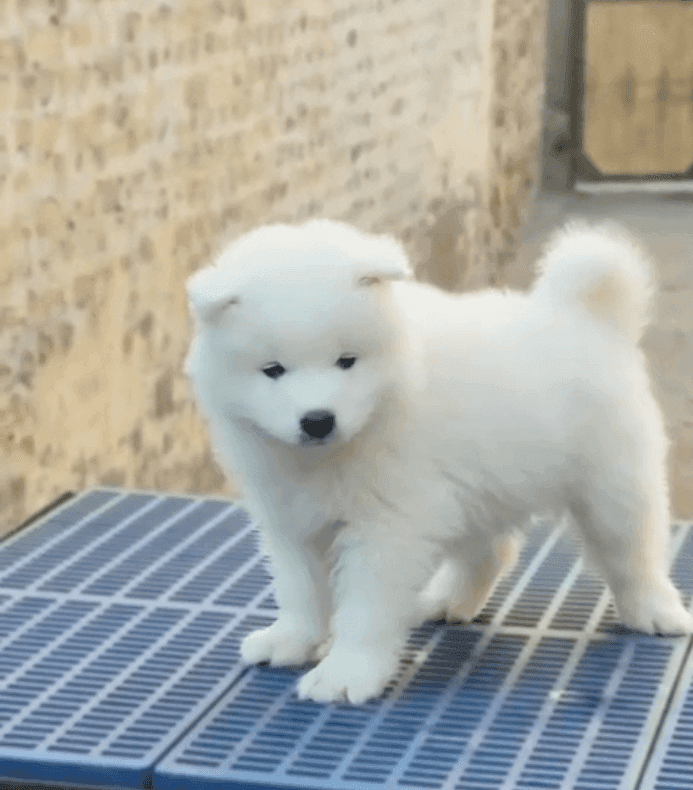
The American Eskimo Dog comes in three distinct sizes, making it a versatile choice for different living situations. All three sizes share the same classic Spitz features: a thick, white double coat, a curled tail over the back, a wedge-shaped head, and erect triangular ears.
Toy Eskimo: The smallest of the group, standing at 9-12 inches (22.8-30.5 cm) and weighing 3-5 kg.
Miniature Eskimo: The medium-sized variant, standing at 12-15 inches (30.5-38.1 cm) and weighing 5-9 kg.
Standard Eskimo: The largest size, standing at 15-19 inches (38.1-48.2 cm) and weighing 11-16 kg.
American Eskimo Dog Price in India
The price of an American Eskimo Dog in India can vary significantly depending on several factors. These include the size of the dog, the breeder's reputation, the puppy's lineage, and location.
American Eskimo Dog Price Sheet (Approximate)
Factor Price Range (INR) Notes
Puppy Price ₹30,000 - ₹85,000+ The price can fluctuate based on the breeder, bloodline, and size (Standard, Miniature, or Toy).
Initial Costs (One-Time) ₹15,000 - ₹30,000+ Includes vaccinations, spaying/neutering, microchipping, collar, leash, food and water bowls, bed, and initial toys.
Monthly Costs ₹4,000 - ₹8,000+ Includes high-quality dog food, treats, grooming supplies, and routine vet check-ups.
Lifetime Cost ₹5,00,000 - ₹8,00,000+ This is an estimated total cost over the dog's average lifespan of 12-15 years, including all expenses.
Export to Sheets
Important Considerations for Pricing in India:
Reputable Breeders: Always choose a breeder who provides proper health clearances, vaccination records, and a clean environment for the puppies. A higher price often reflects the quality of care and genetic testing.
Adoption: While finding an American Eskimo Dog for adoption in India can be challenging, it is an excellent and often more affordable option. Adoption fees are significantly lower and typically cover spaying/neutering and initial vaccinations.
Breed Comparison Chart: American Eskimo Dog vs. Similar Breeds
To help you make an informed decision, here's a comparison of the American Eskimo Dog with some other popular breeds in India that share similar characteristics.
Feature American Eskimo Dog Samoyed Indian Spitz Pomeranian
Origin Germany/USA Russia India Germany/Poland
Size Toy, Miniature, Standard Standard (Large) Small, Medium Small (Toy)
Weight 3-16 kg 16-30 kg 5-10 kg 1.5-3.5 kg
Coat Color Pure White, sometimes with biscuit markings Pure White, sometimes cream White, Black, Brown Various colors
Temperament Intelligent, playful, alert, vocal Gentle, social, playful, independent Active, intelligent, alert, sometimes aggressive with strangers Extroverted, lively, bold, inquisitive
Grooming Needs High; requires regular brushing to prevent mats Very High; requires daily brushing, heavy shedding Moderate; requires regular brushing High; requires regular brushing
Exercise Needs High; needs daily physical and mental stimulation High; needs a lot of space and activity Moderate; regular walks and playtime Moderate; daily walks and indoor play
Barking Level High; prone to excessive barking Moderate to High; "Sammie Smile" is often accompanied by vocalizations Moderate to High; good watchdog High; very yappy
Climate Adaptability Better suited for cooler climates Excellent for cold climates, struggles in heat Better adapted to the Indian climate Tolerates heat better than other Spitz breeds
Price Range (INR) ₹30,000 - ₹85,000+ ₹50,000 - ₹1,50,000+ ₹8,000 - ₹25,000+ ₹15,000 - ₹45,000+
Export to Sheets
Key Takeaways from the Comparison:
The Indian Spitz is a more budget-friendly and climate-adapted option, but may be less affectionate and more independent than an Eskie.
The Samoyed is a much larger breed with a similar temperament but has even higher grooming and exercise needs, and is less suited for the Indian climate.
The Pomeranian is smaller and more compact, but their bold and vocal nature can be a handful for some owners.
Caring for Your American Eskimo Dog
Owning an American Eskimo Dog is a rewarding experience, but it comes with a few key responsibilities. Their health, grooming, and training needs require dedicated attention.
Grooming:
The American Eskimo Dog's beautiful white coat is a double coat, consisting of a short, dense undercoat and a longer outer coat. This coat sheds year-round, with heavy shedding periods (known as "blowing coat") twice a year, typically in spring and fall.
Brushing: Brush your Eskie at least 2-3 times a week to prevent matting and remove loose hair. During shedding season, daily brushing is a must. Use a slicker brush and an undercoat rake to get through their dense fur.
Bathing: Eskies are surprisingly clean dogs. Their coat has natural oils that repel dirt. Bathe them only every few months or when they are visibly dirty to avoid stripping these essential oils. Use a dog-specific shampoo.
Other Grooming: Trim their nails every 2-3 weeks, and clean their ears regularly to prevent infections. Dental hygiene is crucial; brush their teeth several times a week. Never shave an American Eskimo Dog, as their double coat protects them from both heat and cold. Shaving can damage their coat and make them susceptible to sunburn.
Diet and Nutrition:
A high-quality diet is essential for the health of your American Eskimo Dog. Their diet should be rich in protein, healthy fats, and complex carbohydrates.
Food Type: Choose high-quality commercial dog food appropriate for their life stage (puppy, adult, or senior). Look for foods with lean protein sources like chicken, turkey, or fish as the main ingredient.
Portion Control: Monitor their weight and adjust food portions accordingly. Eskies are prone to weight gain, which can lead to other health issues like diabetes.
Hydration: Always provide access to fresh, clean water.
Exercise and Mental Stimulation:
This breed needs a lot of activity to stay happy and mentally sharp.
Daily Exercise: Aim for at least 30-60 minutes of vigorous activity per day. This can include brisk walks, jogging, or high-energy games.
Mental Games: Engage their intelligent minds with puzzle toys, scent work, and learning new tricks. A bored Eskie is a destructive Eskie.
Secure Environment: Always exercise them in a securely fenced area, as their prey drive can lead them to chase small animals.
Training:
Positive reinforcement training works best with this sensitive and intelligent breed.
Early Socialization: Expose your puppy to different people, places, sounds, and other pets from a young age to ensure they grow into a well-rounded and confident adult.
Consistency: Be consistent and firm but gentle in your training. Eskies can be stubborn, so patience is key.
Positive Reinforcement: Use treats, praise, and toys as rewards. Avoid harsh methods, as they can cause anxiety and fear.
Common Health Issues of the American Eskimo Dog
While generally a healthy breed with a lifespan of 12-15 years, American Eskimo Dogs are susceptible to certain genetic and acquired health conditions. Being aware of these can help you provide better care and detect problems early.
Hip Dysplasia: An inherited condition where the hip joint doesn't form properly, leading to pain and arthritis.
Patellar Luxation: A condition where the kneecap dislocates from its normal position. You might notice your dog skipping or hopping while walking.
Progressive Retinal Atrophy (PRA): A degenerative eye disease that can lead to gradual blindness.
Diabetes Mellitus: A metabolic disorder where the body cannot produce enough insulin.
Addison's Disease: A hormonal disorder caused by insufficient adrenal gland hormones.
Dental Disease: Eskies are prone to dental issues. Regular brushing and professional dental cleanings are vital to prevent plaque buildup and periodontal disease.
American Eskimo Dog: Frequently Asked Questions (FAQ)
Here are some of the most common questions from potential American Eskimo Dog owners in India.
Q1: Is the American Eskimo Dog suitable for the Indian climate?
A: The American Eskimo Dog's thick double coat is designed for colder climates. They can live in India, but require special care during the hot and humid months. Provide a cool, air-conditioned environment, avoid outdoor activities during the hottest parts of the day, and ensure they have access to plenty of fresh water.
Q2: Do American Eskimo Dogs shed a lot?
A: Yes, they are heavy shedders. Their double coat "blows" twice a year, resulting in a large amount of fur. Regular and thorough brushing is essential to manage the shedding.
Q3: Are Eskies good apartment dogs?
A: They can adapt to apartment living if their exercise and mental stimulation needs are met. However, their vocal nature can be a concern for neighbors, so training to curb excessive barking is necessary. A home with a securely fenced yard is ideal.
Q4: How much exercise does an American Eskimo Dog need?
A: At least 30-60 minutes of vigorous exercise daily is recommended. This can include brisk walks, jogging, playing fetch, or dog sports like agility. Mental stimulation with puzzle toys is just as important.
Q5: Are American Eskimo Dogs good with children and other pets?
A: Yes, they are generally good with children and other pets when socialized early. They are playful and affectionate with family members. However, due to their size, adult supervision is always advised when they interact with very young children.
Q6: Are they easy to train for first-time dog owners?
A: Their intelligence and eagerness to please make them relatively easy to train. However, their independent and sometimes stubborn nature requires a consistent and patient owner. For first-time owners, seeking guidance from a professional trainer can be beneficial.
Q7: Do Eskies have any "doggy" smell?
A: American Eskimo Dogs are often called "dry clean dogs" because their coat's natural oils repel dirt and they don't have a strong odor. Over-bathing can strip these oils and cause skin problems.
Q8: Can I shave my American Eskimo Dog in the summer?
A: No, you should never shave your Eskie. Their double coat acts as insulation, keeping them cool in the summer and warm in the winter. Shaving can damage their coat, interfere with their natural temperature regulation, and lead to sunburn.
Q9: What is the difference between an American Eskimo Dog and a Samoyed?
A: While they share similar appearances, the Samoyed is a much larger breed. Eskies come in three sizes (Toy, Miniature, Standard), while Samoyeds are consistently large. Samoyeds also have a higher energy level and higher grooming needs.
Q10: Where can I find a reputable breeder in India?
A: Look for breeders who are registered with the Kennel Club of India (KCI). A good breeder will allow you to see the parents of the puppies, provide health records and vaccination certificates, and be transparent about their breeding practices. Avoid puppy mills or pet shops that cannot provide this information.
Conclusion
The American Eskimo Dog is a beautiful, intelligent, and lively companion that can bring immense joy to the right family. With proper care, training, and a loving environment, they can thrive and become a loyal member of your home. By understanding their specific needs, from their grooming requirements to their high energy levels, you can ensure a happy and healthy life for your furry friend. If you're ready for an active and loving companion, the American Eskimo Dog might just be the perfect addition to your family.
Puppies & Dogs for Sale Citywise-
Puppies & Dogs for Sale in Delhi-NCR
Puppies for sale in Dariyaganj
Puppies for sale Defence Colony
Puppies & Dogs for Sale in Mumbai
Puppies for sale in Vile Parle
Puppies & Dogs for Sale in Bangalore
Puppies for sale in Indiranagar
Puppies for sale in Koramangala
Puppies for sale in Whitefield
Puppies for sale in Malleshwaram
Puppies for sale in Sadashivananagar
Puppies for sale in Lavelle road
Puppies for sale in HSR Layout
Puppies & Dogs for Sale in Chennai
Puppies & Dogs for Sale in Pune
Puppies & Dogs for Sale in Ahmedabad
Puppies & Dogs for Sale in Hyderabad
Puppies for sale in Banjara Hills
Puppies for sale in Jubilee Hills
Puppies for sale in Gachibowli
Puppies for sale in Hitech City
Puppies for sale in Somajiguda
Puppies for sale in Nanakramguda
Popular Dog Breed Price In India
Siberian Husky Price In India 2025