
How To Reduce Shedding In Dogs?

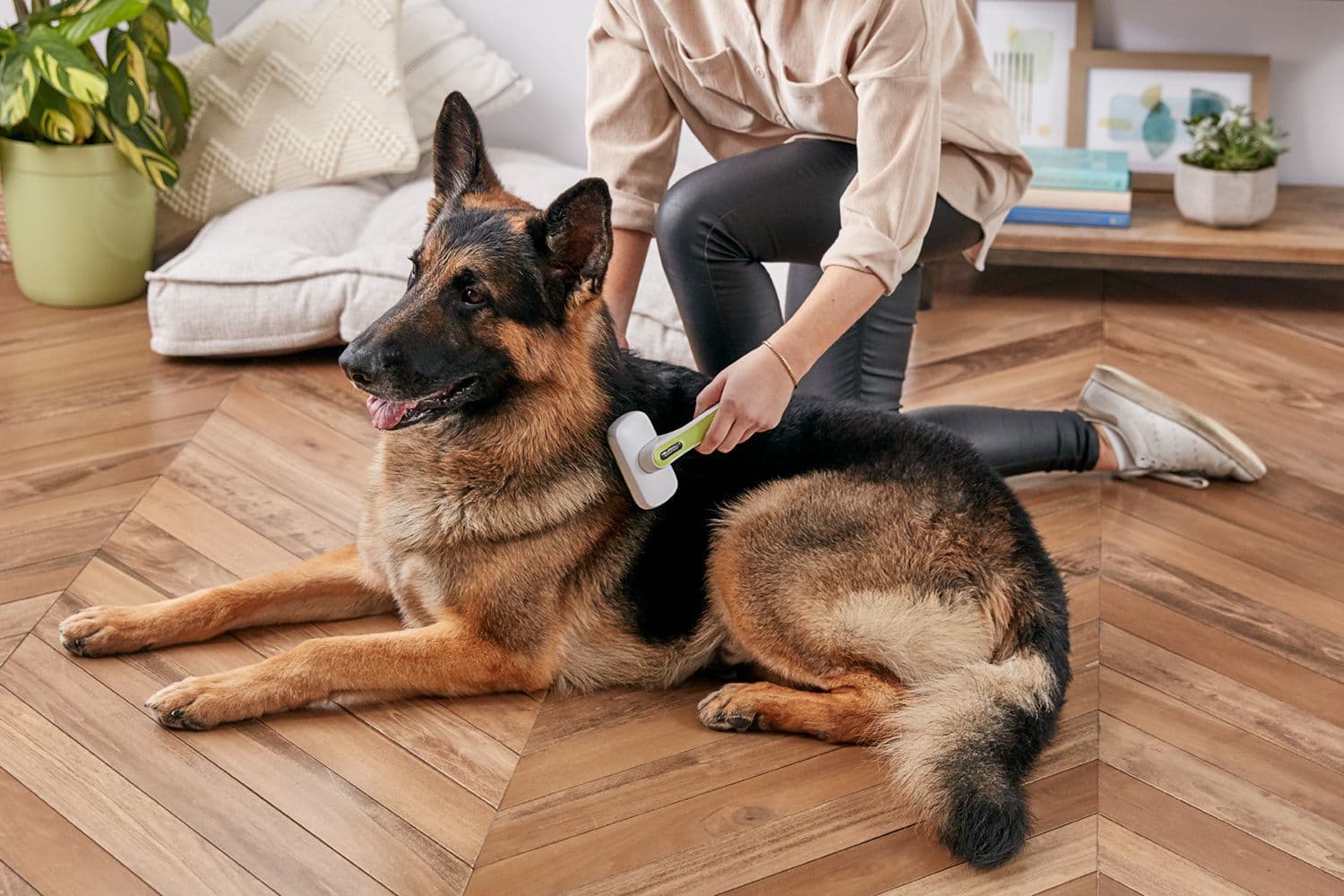
Have you ever pondered how to halt canine shedding or what initially prompts it?
Most of the time, shedding is the coat's normal process of getting rid of old, disconnected, and occasionally damaged hair.
Older hair must be lost to make place for new, healthy hair, which keeps your dog's coat thick and warm.
All dogs shed, though some more than others, and it can be stressful for pet owners who feel like they are doing nothing but vacuuming up mountains of fluff.
The breed of the dog, the climate, the dog's nutrition, any potential allergies, and many other things affect how often and how much hair is shed.
Whatever the reason for shedding, it is possible to keep it under control with at-home grooming and a healthy diet.
Check out these strategies for minimising shedding if you are doing all of this but still find yourself sifting through a sea of loose dog hair and dander.
Selecting a Breed to Determine Which Dogs Shed More
You should think about your household's allergies, your ability to afford professional grooming, and the amount of time you can devote to at-home grooming when selecting a dog.
Throughout the year, different breeds shed at various times and rates.
While some canines only slough in the spring and fall, others slough all year.
A hypoallergenic dog won't shed or trigger an allergic reaction, contrary to popular belief.
In actuality, truly hypoallergenic dogs just produce less dander.
Consider Allergies
Some people get itchy eyes and runny noses when they are in the same room as a dog.
Allergies in cats and dogs affect three out of ten persons.
While some people can use medicine to lessen their allergy symptoms, others may experience hazardous breathing difficulties or skin responses like hives.
Although pet hair itself does not cause allergies, it can gather dander, saliva, and urine.
You could prefer to pick one of the breeds that don't shed, such as:
- Afghan Hounds
- Poodles
- Irish Water Spaniels
- Portuguese Water Dogs
Rather than dealing with the potential risks to others who live in your home who have pet allergies.
How to Reduce Dog Shedding?
Of course, no one enjoys dog hair tumbleweeds strewn across the floor.
Fortunately, no matter what breed your dog is, there are a few things you can do to help keep their coat, undercoat, and dander under control all year long.
You might be surprised to hear that most of these suggestions for reducing dog shedding would only cost you pennies to execute.
Select the Proper Brush
You could need to brush your dog every day or perhaps once a month, depending on the sort of coat it has.
There are numerous sorts of brushes, including:
- Bristle Brush
(All coat types can benefit from using a bristle brush.) - Wire-Pin Brush
(Medium- to long-length curly, woolly coats respond well.) - Slicker Brush
(Useful for eliminating mats and tangles.) - Rubber Curry Comb
(Helps short-haired canines get rid of dead hair.)
Select a Tool for Shedding
Whether your dog sheds intermittently or continuously, using a tool made specifically to remove dead hair from your dog's coat can help.
Examples include:
- Stainless steel undercoat tools
- Shedding blades with serrated teeth
Give Your Dog a Nutritious Diet
A dog will get the vitamins and nutrients they need to maintain their hair follicles developing strong and resistant to breaking if they eat a comprehensive and balanced dog diet.
Omega-3 fatty acid supplements are beneficial for some dogs' joints, heart, and immunological health in addition to helping them grow good hair.
Consult your vet before starting supplements.
Boost Their Water Intake
It can be challenging to gauge how much your dog is drinking.
A dog should generally drink one ounce of water for every pound of body weight each day.
Dehydrated skin is a key contributor to hair loss.
Take into Account Regular Bathing and Shedding Treatments
Bathing your dog helps remove dead hair and cleans their coat.
The moisturisers and Omega-3 fatty acids in de-shedding shampoos and conditioners hydrate your dog's skin and coat.
Regular bathing and de-shedding with brushes can considerably reduce shedding.
Pawsindia's Calm Hemp Seed Oil for Pets
Give your furry friend the nutrition they deserve with Pawsindia's Calm Hemp Seed Oil for Pets.
The Calm hemp seed oil contains 0.00% THC and provides the perfect balance of Omega 3, 6 & 9.
This plant-based nutrition supports:
- Coat health
- Ears
- Eyes
- Joints
- Nails
- Teeth
- Mood support
- Better breath
Whether added to food or used externally, improvements may become visible over time.
Consult a Veterinarian
Excessive shedding in dogs can be a symptom of medical issues.
Common causes include:
- Parasites
- Fungal infections
- Stress
- Sunburn
- Thyroid imbalance
- Skin allergies
If your dog is losing hair excessively or in patches, schedule a comprehensive check-up.
Spend More Time Having Fun
Remember that giving your dog frequent brushing and grooming not only keeps their coat healthy but also provides an opportunity for bonding.
After your grooming session, you can:
- Go for a stroll
- Play fetch
- Spend quality time together
While grooming, also perform a general health check.
Look for:
- Cuts
- Lumps
- Dry skin
- Sores
- Parasites
Conclusion
In the long run, using one or more of these suggestions for reducing your dog's shedding will save you time and money and prevent piles of hair from accumulating in your house.Regular grooming, healthy nutrition, and routine care can help maintain a healthier coat and a happier dog.
Most read



Related Blogs

How to Spot a Verified Dog Breeder in India (Red Flags Checklist)
Learn how to verify a genuine dog breeder in India, spot red flags, check puppy health records, and safely buy a puppy with confidence.

Male vs Female Puppy: Temperament, Size & Price Differences by Breed
Male vs female puppy guide: temperament, size and price differences by breed for Indian buyers. Get help choosing the right puppy with GoodFurs.

Toy vs Miniature vs Standard vs Teacup Poodle: Full Size Guide for Indian Buyers
Confused about Poodle sizes? Compare Toy, Miniature, Standard & "Teacup" Poodles — height, weight, care needs & which suits Indian homes best.