
Shih Tzu Care Guide for Indian Climate: Seasonal Tips (2026)

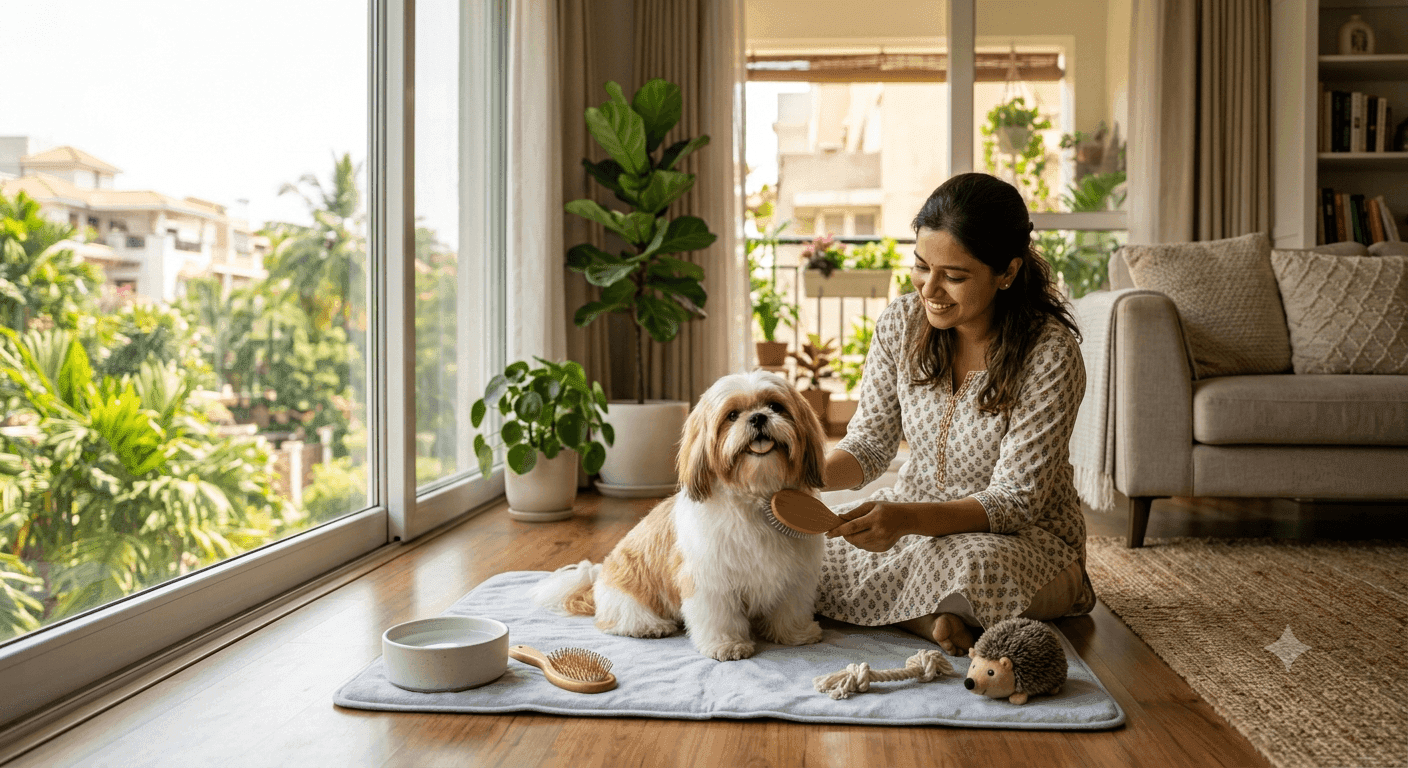
Shih Tzus are one of the most beloved companion breeds in India, known for their affectionate nature, silky coats, and gentle temperament. But their charming looks come with real care responsibilities—especially in a country where climate can shift from scorching heat to heavy monsoon rains to chilly winters, sometimes within the same year.
Their long, flowing coat, flat-faced (brachycephalic) structure, and indoor-oriented lifestyle make Shih Tzus more sensitive to weather extremes than many other breeds. A Shih Tzu in Delhi's dry summer heat has very different needs than one in Mumbai's humid monsoon or Bangalore's mild winters.
This guide brings together veterinary-backed seasonal care practices, grooming routines, and daily habits to help Indian pet parents—whether you're a first-time owner, already raising a Shih Tzu, or exploring Shih Tzu puppies for sale for the first time—keep your companion comfortable, healthy, and happy all year round.
Table of Contents
- Understanding the Shih Tzu Breed Before You Start
- Caring for a Shih Tzu During Indian Summers
- Monsoon Care for Shih Tzus
- Winter Care for Shih Tzus
- Daily Care Routine for a Healthy Shih Tzu
- Grooming Tips for Indian Weather
- Feeding Tips for Every Season
- Common Mistakes Indian Shih Tzu Owners Should Avoid
- Why GoodFurs Helps New Pet Parents Start Right
- Conclusion
- Frequently Asked Questions
Understanding the Shih Tzu Breed Before You Start
Before diving into seasonal care, it helps to understand what makes the Shih Tzu unique—and why this breed needs a slightly different approach than most Indian household dogs.
Coat type: Shih Tzus have a double coat that is long, dense, and flowing. While beautiful, it traps heat easily and requires regular maintenance to prevent matting, especially in humid regions.
Flat-faced anatomy: As a brachycephalic breed, Shih Tzus have shortened airways, which makes them more prone to breathing difficulty in extreme heat or after intense exertion. This is one of the biggest reasons temperature management matters so much for this breed.
Exercise requirements: Shih Tzus are moderately active but don't need long, strenuous walks. Short, frequent walks combined with indoor play are usually sufficient.
Energy level and temperament: They are affectionate, alert, and generally calm indoors, making them well-suited to Indian apartment living when their exercise and grooming needs are met.
Heat sensitivity and indoor living: Because of their coat and facial structure, Shih Tzus are far better suited to indoor, climate-controlled environments than to being left outdoors for extended periods.
Understanding these traits early helps new owners set realistic expectations. If you're still deciding on a puppy, our guide on how to choose a healthy Shih Tzu puppy walks through the physical and behavioural signs to look for before bringing one home.
Caring for a Shih Tzu During Indian Summers
Summer is often the most challenging season for Shih Tzus in India, particularly in northern and central regions where temperatures regularly cross 40°C.
Heatstroke prevention: Never leave your Shih Tzu in a parked car, balcony, or unshaded area during peak heat. Watch for early signs of heat stress rather than waiting for visible distress.
Best walking times: Walk your dog early morning (before 8 AM) or late evening (after 6 PM) when the pavement and air temperature are cooler.
Hydration tips: Keep multiple water bowls around the house and refresh water frequently. Adding ice cubes to the bowl can encourage drinking during hot afternoons.
Cooling mats and indoor comfort: A cooling mat or a tiled floor area gives your Shih Tzu a comfortable spot to rest during the hottest hours.
Indoor play ideas: Puzzle toys, gentle tug games, and short training sessions keep your dog mentally stimulated without overheating.
Avoiding hot pavements: Always check pavement temperature with your palm before a walk—if it's too hot for your hand, it's too hot for your dog's paws.
Air conditioning and fans: A moderately cool room (not freezing) helps regulate body temperature, especially during the afternoon.
Grooming during summer: Regular brushing prevents the coat from trapping heat and moisture. Many owners opt for a shorter "puppy cut" in peak summer.
Signs of overheating: Excessive panting, drooling, lethargy, bright red gums, or difficulty breathing require immediate shade, water, and veterinary attention if symptoms persist.
Hydrating foods: Watermelon (seedless), cucumber, and plain yoghurt in small quantities can help supplement hydration alongside regular water intake.
Monsoon Care for Shih Tzus
India's monsoon season brings its own set of challenges, particularly around hygiene and infection prevention.
Keeping paws dry: Wipe your dog's paws thoroughly after every walk to prevent fungal or bacterial infections between the toes.
Preventing fungal infections: Keep the coat and skin dry, particularly in skin folds and around the face, as trapped moisture creates an ideal environment for infections.
Ear cleaning: Shih Tzus with floppy ears are prone to moisture buildup, so check and clean ears more frequently during monsoon.
Coat drying after walks: Always towel-dry or use a pet-safe dryer after a wet walk—air-drying alone can leave the undercoat damp for hours.
Tick and flea prevention: Monsoon humidity increases parasite activity, so stay consistent with your vet-recommended tick and flea prevention schedule.
Rainy-day exercise alternatives: Indoor fetch, short hallway walks, or a covered balcony area can substitute for outdoor walks on heavy rain days.
Hygiene tips: Disinfect bedding regularly and avoid letting your dog sit on damp surfaces for long periods.
Safe drinking water: Stick to filtered or boiled (and cooled) water during monsoon to reduce the risk of waterborne infections.
Winter Care for Shih Tzus
While Indian winters are milder than in many countries, Shih Tzus can still feel the chill, especially in northern states.
Do Shih Tzus need sweaters? In regions with sharp temperature drops (Delhi, Punjab, Himachal, parts of North India), a light sweater during early morning or late evening walks can help, particularly for puppies and senior dogs.
Bedding tips: A soft, elevated bed away from cold floors and drafts keeps your dog warm overnight.
Warm sleeping area: Avoid placing the bed directly under a fan or near an open window during winter nights.
Winter grooming: Coat brushing remains essential even in winter—matting can trap cold air close to the skin and reduce insulation.
Maintaining activity levels: Don't skip walks entirely just because it's cooler; moderate activity keeps your dog's metabolism and joints healthy.
Seasonal nutrition: Some owners increase portion sizes slightly in winter to support energy needs, but this should be done under veterinary guidance to avoid overfeeding.
Water intake during winter: Dogs often drink less water in colder months, so monitor intake and encourage regular hydration even when it's not hot.
Daily Care Routine for a Healthy Shih Tzu
A consistent daily routine is one of the simplest ways to keep a Shih Tzu healthy across all seasons.
| Time of Day | Recommended Activities |
|---|---|
| Morning | Potty break, short walk, breakfast, fresh water |
| Afternoon | Rest, indoor activities, hydration check |
| Evening | Playtime, second walk, dinner, light grooming |
| Night | Brushing, calm relaxation time, comfortable sleeping area |
This structure can be adjusted based on the season—shorter walks and more indoor rest in peak summer, and slightly longer outdoor time during pleasant winter mornings.
Grooming Tips for Indian Weather
Grooming isn't just about appearance—it's a core part of a Shih Tzu's health and comfort in India's climate.
- Daily brushing: Prevents matting and reduces shedding, especially important in humid months.
- Bathing frequency: Every 2–3 weeks generally works well, though more frequent baths may be needed during monsoon if the coat gets dirty or damp often.
- Coat trimming: A shorter trim during summer helps with heat management; regular trims year-round prevent tangles.
- Tear stain cleaning: Daily wiping around the eyes prevents staining and irritation common in the breed.
- Nail trimming: Every 3–4 weeks, or as needed, to avoid discomfort while walking.
- Ear cleaning: Weekly checks, more frequent during monsoon.
- Dental care: Regular brushing or dental chews help prevent tartar buildup, a common issue in small breeds.
- Professional grooming schedule: A professional groom every 4–6 weeks helps maintain coat health, particularly for owners who can't manage detailed at-home grooming.
Feeding Tips for Every Season
Balanced diet: A high-quality diet appropriate for small breeds supports coat health, energy, and digestion.
Portion control: Shih Tzus are prone to weight gain, so stick to recommended portions rather than free-feeding.
Fresh water: Always available, and changed at least twice daily.
Healthy treats: Use treats in moderation, ideally for training rather than casual snacking.
Summer-friendly foods: Light, hydrating additions like cucumber or plain yoghurt can be given in small amounts alongside regular meals.
Foods to avoid: Chocolate, onion, garlic, grapes, raisins, and heavily spiced or oily human food should never be given.
Weight management: Regular vet check-ins help track weight, particularly important for a breed prone to joint sensitivity if overweight.
Common Mistakes Indian Shih Tzu Owners Should Avoid
Even well-meaning owners sometimes make avoidable errors that affect their Shih Tzu's comfort and health:
- Walking during peak afternoon heat instead of cooler hours
- Skipping regular grooming, leading to matting and skin issues
- Overfeeding out of affection, leading to weight gain
- Not cleaning tear stains regularly
- Leaving the dog outdoors or on balconies for long periods
- Ignoring hydration, especially during summer and winter
- Delaying vaccinations or parasite prevention
- Neglecting dental care until problems become visible
Avoiding these simple mistakes goes a long way toward preventing avoidable vet visits and keeping your Shih Tzu comfortable throughout the year.
Why GoodFurs Helps New Pet Parents Start Right
Raising a healthy Shih Tzu becomes significantly easier when you start with a healthy, well-bred puppy. At GoodFurs, every puppy comes from ethically managed breeding partners, is vet-checked before being handed over, and includes proper vaccination and deworming records—the same documentation covered in our Shih Tzu vaccination guide.
For families who want added assurance, GoodFurs also offers KCI-certified puppies, along with home delivery across India, so families outside major metros can bring home a healthy companion without hassle. Beyond the purchase itself, GoodFurs supports new owners through breed-specific guidance—including practical resources like our first month with a Shih Tzu puppy guide—so the transition home is smoother from day one.
If you're still exploring your options, our overview of Shih Tzu puppies for sale and current Shih Tzu price in India can help you compare what responsible, health-first breeding actually looks like before you decide.
Conclusion
Caring for a Shih Tzu in India doesn't have to be complicated once you understand what the breed needs across different seasons. Summer calls for heat management and hydration, monsoon demands attention to hygiene and dryness, and winter requires warmth and consistent activity. Layer on a steady daily routine, regular grooming, balanced nutrition, and preventive veterinary care, and you have everything needed for a genuinely happy, healthy companion.
Every small habit—wiping paws after a rainy walk, brushing the coat before it mats, choosing the right time for a summer stroll—adds up to a dog that thrives in India's climate rather than merely surviving it.
If you're just starting this journey or looking to bring home a healthy, ethically raised Shih Tzu puppy, the team at GoodFurs is happy to guide you—from choosing the right puppy to supporting you through their first year at home. Reach out to us anytime for expert guidance tailored to Indian conditions.
Most read



Related Blogs

Male vs Female Puppy: Temperament, Size & Price Differences by Breed
Male vs female puppy guide: temperament, size and price differences by breed for Indian buyers. Get help choosing the right puppy with GoodFurs.

Toy vs Miniature vs Standard vs Teacup Poodle: Full Size Guide for Indian Buyers
Confused about Poodle sizes? Compare Toy, Miniature, Standard & "Teacup" Poodles — height, weight, care needs & which suits Indian homes best.
Frequently Asked Questions
Yes, with proper care. Shih Tzus can live comfortably in India's climate as long as owners manage heat exposure in summer, hygiene during monsoon, and warmth in winter, along with regular grooming.